
Administrative proceedings are a major part of modern legal systems. They are everywhere—immigration decisions, professional licensing discipline, environmental enforcement actions, labor disputes, tax assessments, and more. Although they aren’t held in traditional courtrooms, administrative proceedings can have consequences just as serious as court cases. Licenses can be revoked. Financial penalties can be imposed. Rights can be granted or denied. And because of this, due-process requirements still apply.
One of the most important due-process protections is proper notice. Whether it’s the start of a proceeding, a hearing date, or an agency order requiring compliance, the affected party must legally receive notice of the action. That’s where process servers come in.
Many people assume process servers work only with civil or criminal courts. In reality, administrative agencies also rely heavily on process service, especially when key documents need to be delivered to individuals or businesses across cities, countries, or continents.
This article explains exactly when a process server becomes involved in administrative proceedings, why proper service matters, how international service works, and what attorneys, businesses, and individuals need to know when handling agency-related cases. Whether you are a legal professional who manages cross-border matters regularly or a non-lawyer trying to understand how administrative procedures work, this guide breaks it down in a clear, easy-to-follow way.
Understanding Administrative Proceedings: A Quick Overview
Administrative proceedings are formal actions handled by government agencies rather than courts. They follow their own rules and procedures, often involving:
Regulatory enforcement
Professional licensing actions
Immigration hearings
Labor and employment disputes
Tax assessments
Environmental compliance actions
Business or commercial regulatory issues
These proceedings are designed to be more efficient and specialized than traditional court litigation. Instead of a judge, many are overseen by an Administrative Law Judge (ALJ) or a hearing officer. However, just like court cases, they require fairness—and fairness begins with proper notice.
Why Notice Is So Important in Administrative Law
Every country recognizes the principle of due process, even if the terminology differs. No one should suffer a penalty or judgment without being informed and given an opportunity to respond. This is true whether the matter involves:
An immigration removal hearing
A professional license suspension
A workplace safety violation
A tax deficiency assessment
A business regulatory audit
A consumer protection enforcement action
Notice ensures the respondent can prepare, submit evidence, hire counsel, appear at the hearing, and appeal if needed.
Because of this, many administrative steps require service of documents—sometimes personal, sometimes by certified mail, sometimes internationally through treaty routes like the Hague Service Convention.
Below is a step-by-step breakdown of administrative proceedings and exactly where process servers become essential.
1. Filing a Complaint or Petition: The First Point of Possible Service
Administrative actions typically begin when an agency or individual files a complaint, petition, or violation report. Once filed, the respondent must be informed that proceedings have begun.
When a Process Server Is Needed
At this early stage, process servers are often engaged to deliver:
Administrative complaints
Initiating petitions
Notices of violation
Regulatory orders requiring a response
Some agencies handle this by mail, but many—especially in professional licensing, regulatory enforcement, or high-stakes disputes—require personal service to ensure there is no dispute later about whether the respondent received the documents.
Why It Matters
Improper or incomplete service at the start of a case can:
Delay enforcement actions
Result in dismissed charges
Compromise the agency’s jurisdiction
Jeopardize the entire proceeding
Using a professional process server helps avoid these pitfalls.
2. Notice to the Opposing Party: The Most Common Stage for Service
This is the main stage where process servers are involved. After the initial filing, the agency must provide formal notice to the opposing party—often in the form of:
Notice of Hearing
Order to Show Cause (OSC)
Summons-like administrative notices
Requests for compliance or corrective action
This ensures the respondent knows:
What the agency alleges
How much time they have to respond
The date, time, and location of hearings
The consequences of failing to respond
Why a Process Server Plays a Key Role Here
Administrative agencies frequently rely on personal service when:
The respondent is avoiding contact
The matter involves suspension or revocation of a license
The notice must be served internationally
Certified mail is insufficient
A deadline is approaching and immediate delivery is required
Because process servers can perform rush, international, out-of-state, or hard-to-locate service, they help agencies and attorneys ensure compliance and prevent procedural challenges.
3. Opportunity to Present Evidence: Service During the Discovery Phase
Not every administrative proceeding includes discovery, but many do—especially more formal actions such as:
Licensing revocation hearings
Environmental enforcement hearings
Labor or employment board trials
Tax or customs disputes
Complex regulatory matters
During this phase, parties may need to compel evidence, documents, or witness testimony.
Documents Process Servers May Deliver
Subpoenas for documents
Subpoenas for witness testimony
Requests for records
Notices for investigatory interviews
Some agencies allow these to be mailed, but many require personal service to ensure compliance—especially when witnesses or entities are uncooperative.
4. Hearing Before an Administrative Law Judge (ALJ) or Hearing Officer: Service May Still Be Needed
Once the hearing date approaches, additional notices or amended filings sometimes arise. Even though the main notice has already been served, updates may require service.
Examples Where Service May Be Needed Before the Hearing
The agency adds new allegations
A party files supplemental evidence requiring notice
The hearing date or location changes
Witnesses must be formally subpoenaed
In these cases, process servers help ensure the proceeding stays on schedule and no party can claim they were unfairly surprised.
5. Issuance of a Written Decision or Order: Usually No Service Required—But There Are Exceptions
After the hearing, the agency issues a written decision. These are often sent by mail or electronically, so process servers are generally not required at this stage.
However, certain high-risk or high-impact administrative orders require personal service, including:
Immediate suspension orders
Public safety or emergency orders
Cease-and-desist directives
Orders affecting business operations
Property or occupancy restrictions
In these circumstances, personal service creates a traceable, verifiable record that the recipient knew of the order and its consequences.
6. Appeals: When Administrative Decisions Move to Higher Review
Administrative decisions can often be appealed either:
Internally within the agency, or
Externally to the judicial courts
When an appeal requires formal service, a process server is involved to deliver:
Notices of appeal
Petitions for judicial review
Requests to transmit the administrative record
New filings related to the appellate process
When appeals move into court jurisdictions, normal civil-procedure service rules apply—meaning professional process service becomes essential.
The Role of International Process Servers in Global Administrative Matters
As commerce, immigration, remote work, and global business continue to expand, many administrative actions now involve individuals or companies located outside the country where the proceeding originates.
Examples:
A doctor licensed in one country but living in another
An international corporation facing regulatory action abroad
A foreign worker involved in a labor dispute
Tax disputes involving overseas entities
Environmental investigations related to global operations
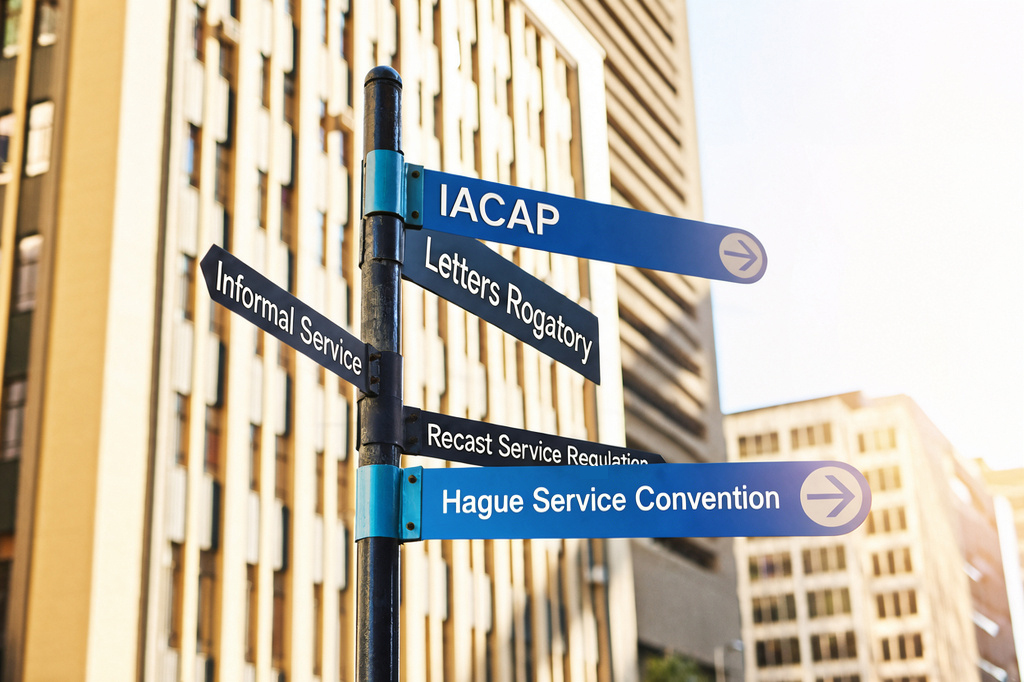
In these situations, service must comply with international rules such as:
Letters Rogatory
Informal service options where treaties do not apply
International service can be complex, slow, and highly procedural. Failure to follow the correct method can result in:
Rejected documents
Dismissed proceedings
Appeals based on improper notice
Delayed enforcement
Professional international process servers ensure cross-border administrative actions proceed smoothly and legally.
Why Proper Process Service Matters in Administrative Proceedings
Improper service can derail an administrative case—sometimes permanently. Potential consequences include:
Lack of jurisdiction
Delayed hearings
Dismissal of charges
Re-filing of actions
Wasted agency resources
Prejudice to a party’s due-process rights
On the other hand, professional service strengthens the proceeding by ensuring:
The respondent receives legal notice
Deadlines are satisfied
There is proof of delivery
There is no basis to challenge the case later
For attorneys and agencies alike, accurate and timely service is the foundation of a successful administrative action.
Examples of Administrative Proceedings That Commonly Require Process Servers
To make things even clearer, here are real-world examples where process servers are frequently called upon:
Professional Licensing Boards
Medical, dental, and nursing boards
Real estate licensing agencies
Contractor licensing authorities
Legal professional discipline boards
Immigration Agencies
Removal or deportation actions
Visa or residency revocation
Compliance notices
Labor & Employment Boards
Wage claims
Wrongful termination claims
Safety violations
Tax & Revenue Agencies
Tax debt assessments
Business compliance audits
Customs enforcement actions
Environmental and Regulatory Agencies
Pollution violations
Hazardous materials enforcement
Land use and zoning disputes
Corporate and Commercial Regulators
Consumer protection violations
Business licensing issues
Cross-border regulatory disputes
In each scenario, process servers help agencies and legal professionals keep the proceedings valid and moving forward.
Final Thoughts: Process Servers Are Essential Partners in Administrative Law
Administrative proceedings may be less formal than traditional court cases, but that does not make them less important or less serious. They can impact careers, business operations, professional reputations, immigration status, and even personal freedoms.
Throughout these proceedings, proper notice is the backbone of due process, and process servers ensure that notice is delivered correctly, legally, and on time.
Whether the case involves a local agency or a foreign administrative authority, process servers—especially those experienced with international procedures—play an essential role in keeping the system fair, transparent, and enforceable.
Final Thoughts: Process Servers Are Essential Partners in Administrative Law
Stellar Konsulting provides fast, compliant, and reliable administrative process service, both domestically and across international borders. Whether you’re an attorney, government agency, corporation, or private individual, our team ensures your documents are served according to the exact legal requirements of each jurisdiction.
Why Clients Trust Us
Expertise in Hague Service, Letters Rogatory, and informal international service
Experience with agency-specific requirements
Accurate service proofs, affidavits, and declarations
Global coverage in more than 190 jurisdictions
Responsive support and transparent communication
If you need documents served for licensing actions, regulatory hearings, immigration proceedings, tax matters, or any administrative case, we’re ready to assist.
Please call Stellar Konsulting at the phone numbers listed below or email us at operations@stellarkonsulting.com for an obligation-free quote covering the timelines, options and costs for international service of process.
📞 EMEA: +44 (20) 38905643
📞 USA: +1 (213) 786 1161
📞 Asia: +92 313-780-6280
📞 UK: +44 (20) 38905643
📞 Australia, New Zealand and Far East Asia: +61 2 7259 7299