
Alternative Dispute Resolution (ADR) methods, such as mediation, arbitration, and negotiation, have become increasingly popular for resolving conflicts efficiently and cost-effectively. ADR provides parties with a flexible and less formal way to resolve disputes without immediately resorting to litigation. However, an important question often arises: Do ADR proceedings require formal process service?
In this article, we’ll explore the role of process service in ADR, including both judicial and non-judicial scenarios, and how professional process servers ensure that documents are delivered correctly and reliably.
Understanding ADR and Process Service
ADR encompasses a range of dispute resolution methods outside of traditional court litigation. While mediation and negotiation typically involve voluntary participation, arbitration can have a more formal legal character and may require adherence to procedural rules, including document service.
Process service refers to the formal delivery of legal or official documents to an individual or organization, ensuring that the recipient receives notice of legal proceedings or obligations. Professional process servers are trained to handle both domestic and international deliveries, ensuring compliance with relevant laws and conventions.
Judicial Scenarios in ADR
Judicial scenarios occur when ADR is part of or linked to formal legal proceedings. For example:
- A court may refer a case to arbitration under a statutory arbitration act. In such cases, the arbitration notice, summons, or court order must be formally served on all parties to ensure legal validity.
- Parties initiating arbitration under a contractual clause may still need to comply with local procedural rules that require official notice to the opposing party.
In these judicial scenarios, process service guarantees that all parties are properly informed, preventing claims of non-receipt that could delay or invalidate the ADR process.
Non-Judicial Scenarios in ADR
Non-judicial scenarios involve ADR outside the direct oversight of a court. Examples include:
- Contractual disputes resolved through voluntary mediation, where one party sends a demand or notice letter to initiate proceedings.
- Pre-litigation negotiations or settlement discussions, where formal delivery of notices ensures there is a clear record of communication.
In these situations, while the documents are not court-issued, using a professional process server adds reliability and credibility, confirming that the recipient received the documents and the timeline of delivery is documented.
Why Process Service Matters in ADR
Even though ADR is often less formal than court proceedings, ensuring proper service of documents is crucial. Here’s why:
- Legal Compliance: Some ADR processes, especially arbitration, may have rules mandating formal service.
- Preventing Delays: Proper service avoids disputes about whether notices were received, keeping the process on schedule.
- Record Keeping: Process servers provide proof of delivery, which can be critical if disputes escalate to litigation.
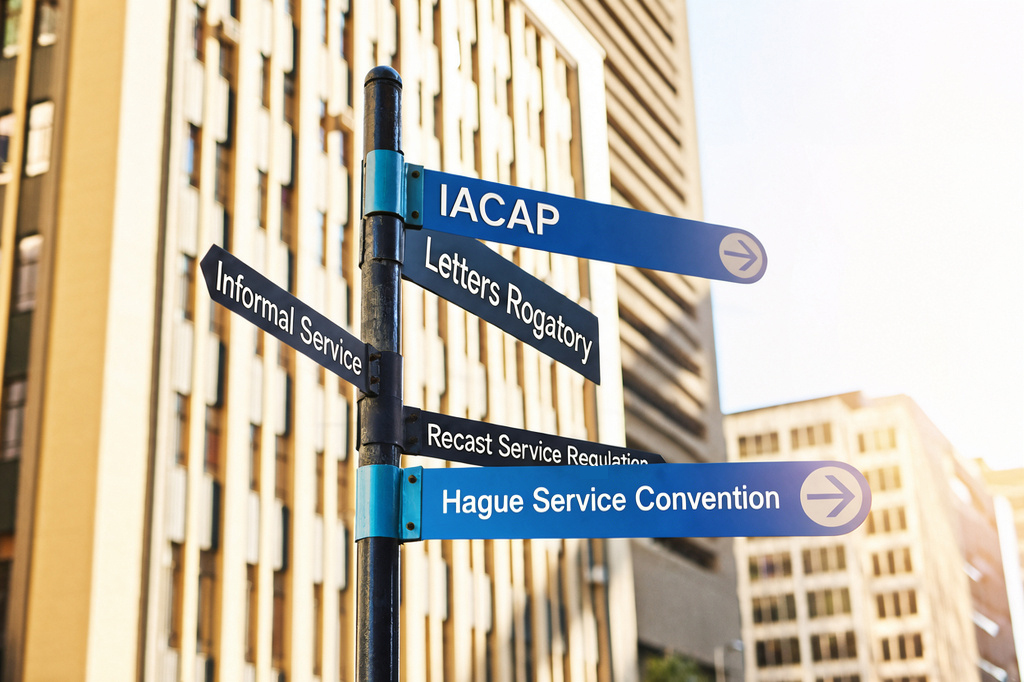
- International Considerations: For cross-border disputes, process servers ensure compliance with international treaties like the Hague Service Convention or Letters Rogatory.
How Professional Process Servers Handle ADR Documents
Professional process servers play a key role in both judicial and non-judicial ADR scenarios. Their services include:
- Personal Service: Delivering documents directly to the recipient in person.
- Certified Mail or Courier: Ensuring documents are officially tracked and received.
- International Service: Handling ADR documents across borders, complying with international law and treaties.
- Proof of Service: Providing legally recognized documentation to confirm delivery.
Using a professional process server gives parties confidence that ADR notices are handled correctly, whether the matter is judicially mandated or non-judicial.
Final Thoughts
While ADR is designed to be efficient and flexible, proper service of documents remains essential. Judicial ADR scenarios, such as court-referred arbitration, often require formal process service. Non-judicial scenarios, like voluntary mediation or pre-litigation negotiations, benefit from professional service to ensure delivery and maintain a clear record.
Engaging a reliable process server ensures that all notices, whether judicial or non-judicial, are delivered accurately, giving your ADR process credibility and efficiency.
For law firms, businesses, or individuals involved in ADR—especially across borders—using an experienced process server is the key to smooth and legally sound proceedings.
Need Reliable Process Service for ADR Proceedings?
Whether your matter involves judicial arbitration or non-judicial dispute resolution, ensuring proper delivery of documents is critical to keeping your case on track. Improper or delayed service can lead to unnecessary complications, disputes, or even invalid proceedings.
Our experienced team provides fast, accurate, and fully compliant process service for ADR-related documents, both domestically and internationally. From arbitration notices to demand letters, we ensure every document is delivered with professionalism and backed by verifiable proof of service.
Please call Stellar Konsulting at the phone numbers listed below or email us at operations@stellarkonsulting.com for an obligation-free quote covering the timelines, options and costs for international service of process.
📞 EMEA: +44 (20) 38905643
📞 USA: +1 (213) 786 1161
📞 Asia: +92 313-780-6280
📞 UK: +44 (20) 38905643
📞 Australia, New Zealand and Far East Asia: +61 2 7259 7299