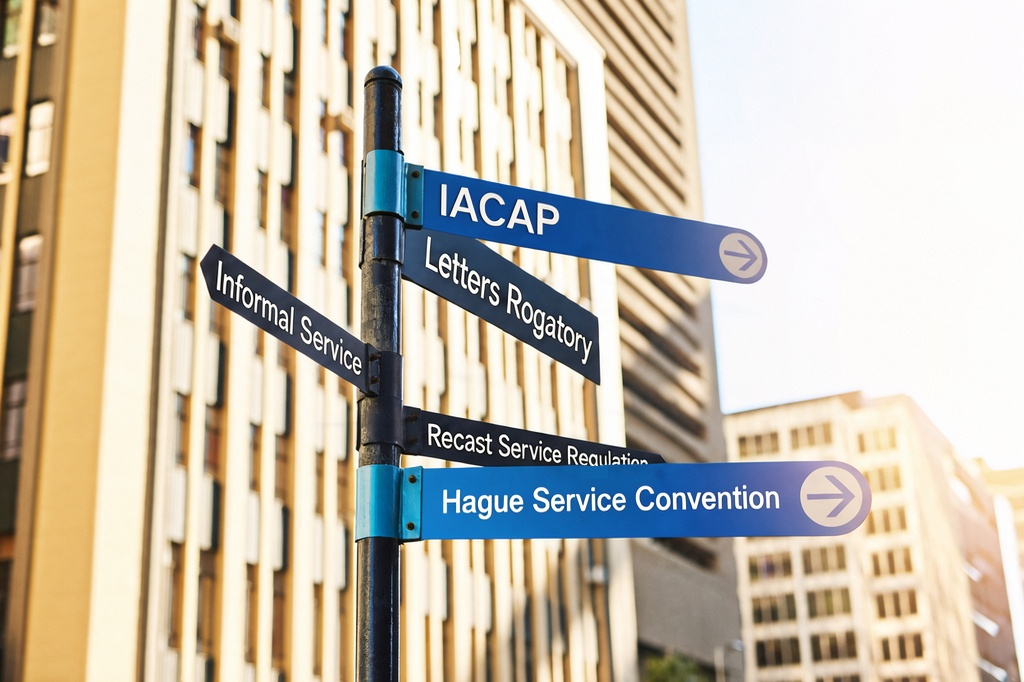

Serving Protective Orders in California: What International Law Firms Need to Know
When a legal dispute crosses international borders, ensuring that court documents reach the appropriate individuals can present additional procedural and logistical challenges. For law firms outside the United States, those challenges may arise when a defendant, respondent, or other person involved in a case is located in California.
Protective-order-related matters can require particular care. The documents may concern restrictions on an individual’s conduct, personal safety, confidential information, or other issues governed by specific court orders. Before arranging service, international counsel must understand the nature of the documents, the issuing jurisdiction, and the requirements that apply in California.
For overseas law firms managing cross-border litigation, working with an experienced process-serving coordinator can help organize local service assignments and the documentation needed for the case file.
What Is a Protective Order?
A protective order is a court order intended to regulate particular conduct, protect certain interests, or establish restrictions within a legal proceeding. Its meaning and purpose depend on the jurisdiction and the type of case.
In family law and other civil matters, protective orders may restrict contact, prohibit specified conduct, or establish conditions intended to protect an individual. In civil litigation, a protective order may instead govern confidential information, document disclosure, or the handling of sensitive evidence.
These distinctions matter when arranging service. The documents involved may include a protective order, a notice of hearing, an application for relief, supporting documents, or other papers that must be delivered in accordance with applicable rules.
International law firms should identify the precise nature of the order and confirm which documents require service before instructing a process-serving provider.
Why International Law Firms May Need Process Serving in California
California is a potential destination for service assignments arising from legal proceedings in other countries. A person involved in a foreign dispute may live, work, or otherwise be located in California even though the proceedings are taking place elsewhere.
For example, a law firm in the United Kingdom may be handling a dispute involving an individual who has relocated to Los Angeles. An Australian firm may need documents delivered to a respondent living in San Diego. A Canadian firm may require assistance with documents connected to a cross-border civil matter involving a person in San Francisco.
In some circumstances, the documents may relate to a protective-order application or an existing order. In others, they may concern an injunction, a hearing, or related litigation.
These assignments require more than simply forwarding paperwork to a local address. Counsel must determine the applicable service procedure, identify the authorized method, and establish what evidence of service the receiving court requires.
Understanding the Difference Between Service and Enforcement
One of the most important considerations in an international protective-order matter is the distinction between serving documents and obtaining recognition or enforcement of an order.
Service of documents involves delivering specified legal papers using a method permitted by the applicable rules. Depending on the circumstances, this may establish that the required documents were served or that a particular procedural step was completed.
Recognition and enforcement concern whether an order issued by one court or jurisdiction can be given legal effect or enforced in another jurisdiction. These questions are separate from the physical delivery of documents.
For example, a foreign court may issue an order concerning an individual who is now located in California. Arranging delivery of related paperwork does not automatically establish that the order is enforceable in California.
Certain foreign restraining orders may qualify for protection or enforcement under applicable California law, but the relevant requirements and circumstances must be assessed. Other orders may require additional proceedings or legal steps before particular remedies are available.
International counsel should therefore determine whether the assignment concerns service of documents, registration or recognition of an order, enforcement, or a combination of these matters. A process-serving provider can assist with the service component but does not replace the legal analysis required to determine the order’s status.
Determining the Appropriate Method of Service
The correct method of service depends on several factors, including the type of documents, the court issuing them, the jurisdiction in which proceedings are pending, and any applicable statutory or procedural requirements.
California law governs many aspects of service carried out within the state, but documents connected to foreign proceedings may raise additional questions. Depending on the circumstances, relevant considerations may include the rules of the originating court, applicable international agreements, and any requirements concerning the form or delivery of the documents.
Personal service may be required in some situations, while another method may be permitted in others. A method accepted for one type of document should not automatically be assumed to apply to a different order or proceeding.
Before arranging service, international counsel should confirm the applicable procedure and provide clear instructions. If the required method is uncertain, the issue should be resolved with qualified legal counsel before the assignment proceeds.
This preliminary review helps reduce the risk of unnecessary attempts, incomplete documentation, or delays caused by procedural misunderstandings.
The Importance of Proof of Service
Proof of service is an important part of the process-serving assignment. It records relevant details of the service performed and provides documentation that the instructing law firm can review for the case file or submit as required.
Depending on the applicable rules and the circumstances, the record may include the identity of the recipient, the documents served, the date and location of service, and the method used. Additional details may be necessary under the relevant court procedures.
For international law firms, obtaining accurate documentation is particularly important because the instructing lawyers may be managing the matter remotely. A clear service record helps them evaluate whether the assignment was completed in accordance with their instructions and determine what steps are required next.
If service cannot be completed, records of attempts and the circumstances encountered may also assist counsel in deciding how to proceed. The documentation required for unsuccessful attempts may differ from the requirements for completed service.
A process-serving provider should communicate the outcome of the assignment and return the appropriate documentation in the agreed format. Counsel remains responsible for reviewing that documentation and determining whether it satisfies the requirements of the relevant court.
Common Challenges When Serving Documents in California
International assignments can involve practical issues that are less common in purely local matters.
Incomplete recipient information. An outdated address, an incomplete name, or limited identifying details can make locating the intended recipient more difficult. Providing accurate information at the outset helps the service provider assess the assignment.
Different procedural requirements. Legal systems do not necessarily apply the same service rules. International counsel should explain the originating proceedings and confirm the method required before service is attempted.
Time-sensitive proceedings. A hearing date or other deadline may affect the urgency of an assignment. Clear instructions and prompt communication can help the parties coordinate realistic service arrangements.
Document preparation. Documents may need to meet particular requirements concerning copies, accompanying papers, translations, or other formalities. These should be identified before the assignment begins.
Cross-border communication. Differences in time zones and the distance between the instructing firm and the recipient can complicate updates. An agreed communication process helps the law firm receive timely information about progress and completion.
Addressing these considerations early can make the assignment easier to manage and help the instructing firm identify any issues requiring further legal attention.
Preparing an International Service Request
A complete service request gives the process-serving provider the information needed to review and coordinate the assignment.
International law firms should consider supplying:
A complete copy of each document requiring service.
The recipient’s full name, known address, and relevant identifying information.
Details of the originating court and the nature of the proceedings.
Any applicable court instructions, deadlines, or specified service requirements.
Information about known access restrictions or practical safety concerns.
Instructions for reporting the outcome and returning proof of service.
Any requirements concerning translations, document handling, or additional records.
Counsel should also identify whether the request concerns an order already issued by a foreign court or documents connected to an application that has not yet been determined.
Providing this information enables the service provider to review the assignment, clarify outstanding questions, and coordinate the work based on the instructions received.
Coordinating Process Serving Across Borders
When a party is located outside the jurisdiction in which litigation is taking place, the service arrangements may require additional planning. The appropriate process can depend on the destination, the nature of the proceedings, and applicable domestic and international rules.
For some international matters, formal procedures under an applicable treaty or other authorized mechanism may need to be considered. Other assignments may be governed by different rules. The availability of a particular method should never be assumed solely because the documents originate from a foreign law firm.
International counsel should establish the appropriate legal route before instructing service. Once the required procedure has been confirmed, a process-serving provider can help coordinate the local assignment, communicate relevant information, and return the resulting documentation.
Effective coordination is especially valuable when the instructing firm is working remotely and needs reliable information to manage its deadlines and case records.
Working With Stellar Konsulting
For international law firms handling matters involving individuals located in California, arranging process service can be an important part of managing cross-border litigation.
Stellar Konsulting assists legal professionals with coordinating process service and international legal support. By communicating assignment requirements, coordinating service arrangements, and organizing the return of relevant documentation, the company helps law firms manage the practical aspects of legal document delivery across jurisdictions.
Whether a matter involves protective-order-related documents or other court papers, the starting point is a clear understanding of the documents, the recipient’s location, and the applicable service requirements.
Need assistance coordinating service in California?
Please call Stellar Konsulting at the phone numbers listed below or email us at operations@stellarkonsulting.com for an obligation-free quote covering the timelines, options and costs for international service of process.
📞 EMEA: +44 (20) 38905643
📞 USA: +1 (213) 786 1161
📞 Asia: +92 313-780-6280
📞 UK: +44 (20) 38905643
📞 Australia, New Zealand and Far East Asia: +61 2 7259 7299
Disclaimer: This article is for general informational purposes only and does not constitute legal advice. Service requirements, and the recognition or enforcement of foreign orders, depend on the applicable law and circumstances. International counsel should confirm the appropriate procedure with qualified legal counsel before arranging service.